







Key Takeaways
- HIPAA compliance begins with knowing where ePHI exists across structured and unstructured data.
- Continuous data discovery and context-aware classification help maintain an accurate inventory of sensitive healthcare information.
- Native OCR is essential for identifying ePHI hidden in scanned documents, medical forms, faxes, and image files.
- Automated remediation, including redaction, encryption, and quarantine, helps reduce the risk of unauthorized data exposure.
- Private Cloud, on-premises, hybrid, and air-gapped deployments help keep patient data under your control while supporting zero data egress.
- AI workflows should include safeguards that identify and protect ePHI before sensitive data is processed by AI systems.

Protecting ePHI
Healthcare organizations have always handled some of the world's most sensitive information. But in 2026, protecting electronic protected health information (ePHI) has become even more challenging as patient data spreads across Microsoft 365, shared drives, cloud storage, scanned records, emails, and AI-powered workflows.
At the same time, the Department of Health and Human Services (HHS) is proposing significant updates to the HIPAA Security Rule, placing greater emphasis on continuous risk management and technical safeguards. As expectations around HIPAA compliance continue to evolve, covered entities and business associates need greater visibility into where ePHI exists and how it is protected.
Use this HIPAA compliance checklist to strengthen your security posture, improve visibility into sensitive data, and reduce compliance risk.
1. Discover Every Location Where ePHI Exists
You cannot protect data you cannot find. Many healthcare organizations secure their primary Electronic Health Record (EHR) systems but lack visibility into unstructured data spread across file servers, employee devices, and archived folders. These hidden repositories often remain outside traditional security controls.
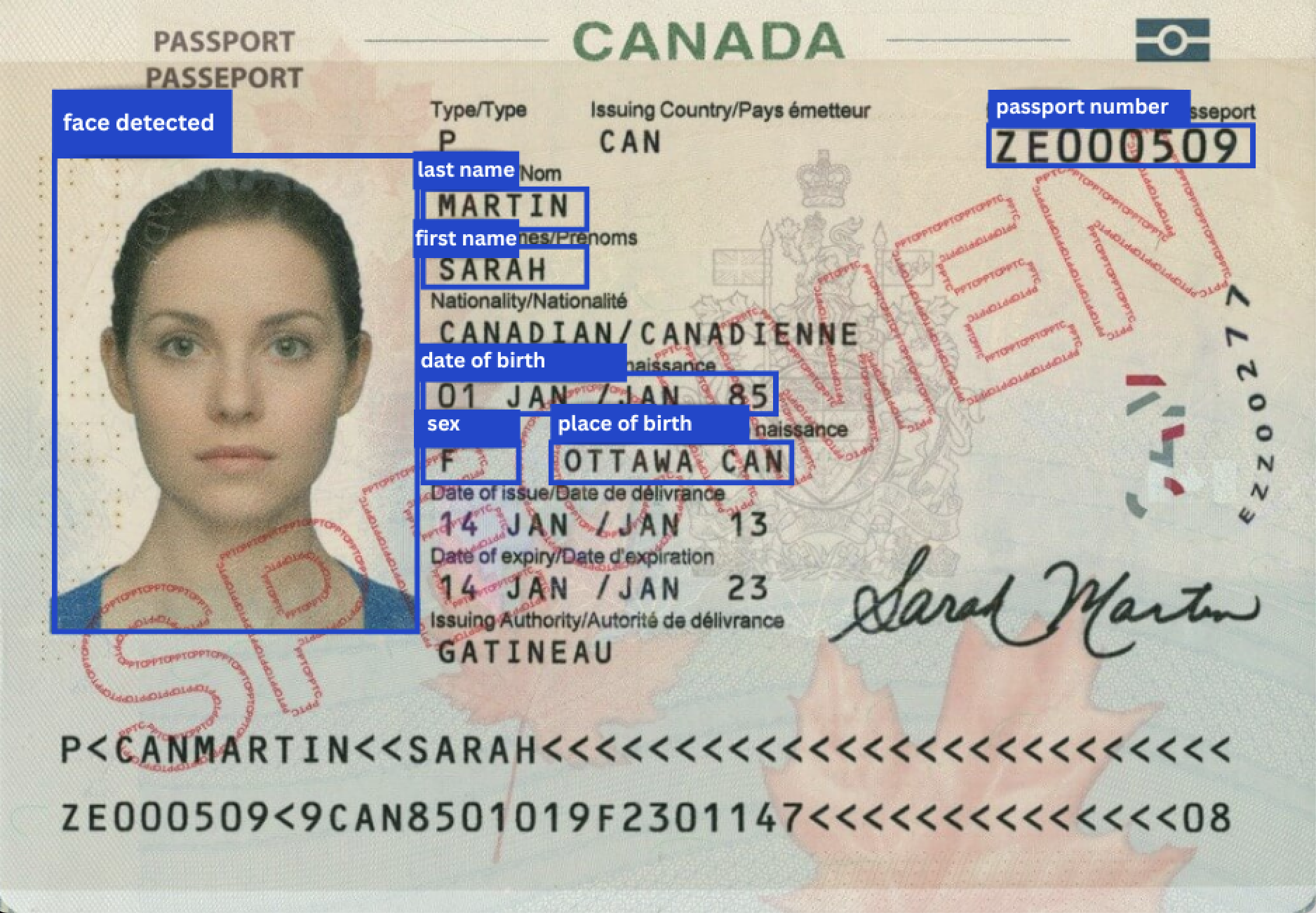
Modern HIPAA compliance requires continuous sensitive data discovery across structured and unstructured repositories. Native OCR should be part of that process, enabling organizations to identify ePHI hidden in scanned documents, medical forms, faxes, and image files that conventional scanning solutions often miss.
2. Build an Accurate Inventory of ePHI
HIPAA compliance is an ongoing process, not an annual audit. Every day, healthcare organizations create, copy, move, and share files containing ePHI across departments, systems, and cloud services. Without continuous visibility, security teams quickly lose track of where sensitive information resides.
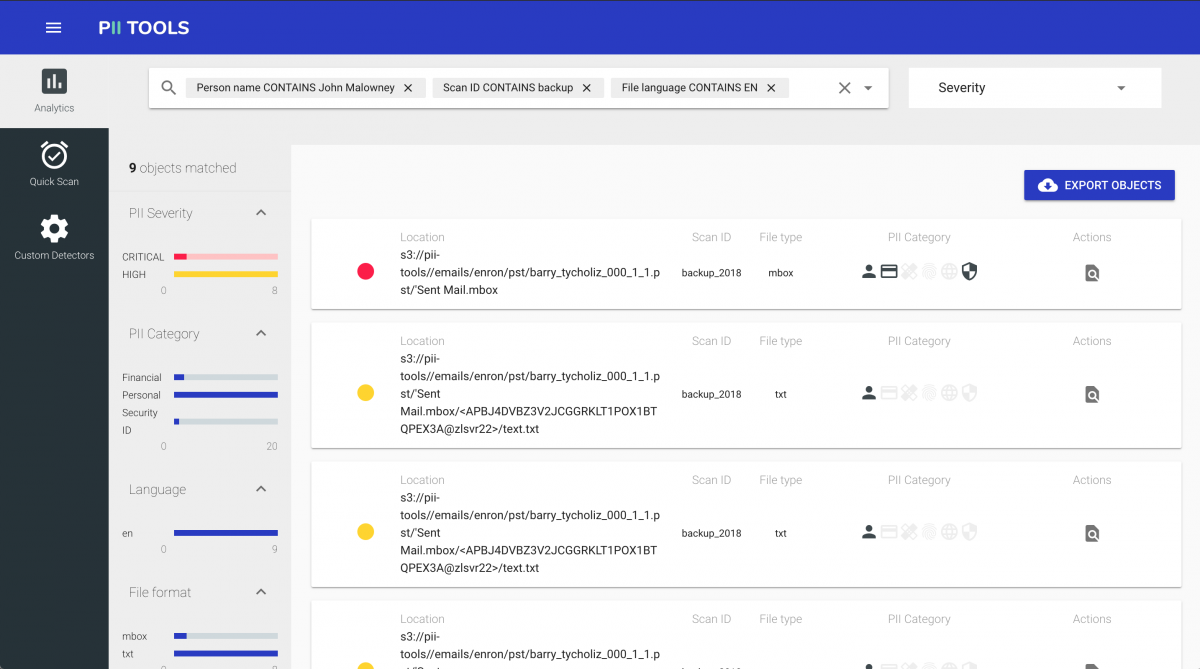
Maintaining an accurate inventory of ePHI allows organizations to understand what sensitive data they have, where it is stored, and what level of protection it requires. Context-aware classification helps distinguish genuine patient information from other data, reducing false positives and allowing security teams to prioritize remediation efforts more effectively.
3. Protect Sensitive Data Throughout Its Lifecycle
Finding ePHI is only the first step. Once sensitive data has been identified and classified, organizations need to apply appropriate safeguards. Depending on the data and its intended use, this may include encrypting files, restricting access, securely deleting unnecessary data, or automatically redacting sensitive information before documents are shared.
Automated remediation workflows help enforce these protections consistently across the environment. Instead of relying on manual reviews, organizations can continuously reduce unnecessary exposure as files are created, modified, or moved, helping keep sensitive healthcare data protected over time.
4. Choose an Architecture That Supports HIPAA
Where sensitive healthcare data is processed matters just as much as how it’s protected. Uploading sensitive patient files to third-party SaaS platforms for discovery or classification can introduce unnecessary compliance, security, and data sovereignty risks.
Enterprise data discovery platforms should be able to operate within your own environment. Private Cloud, on-premises, hybrid, and fully air-gapped deployments allow organizations to discover, classify, and remediate sensitive data without transferring ePHI outside their infrastructure. Keeping sensitive data under your control supports stronger security, HIPAA compliance, and zero data egress.

5. Prepare Healthcare Data for AI Workflows
Healthcare organizations are rapidly adopting AI to improve documentation, patient services, and operational efficiency. But before sensitive files are processed by AI systems, organizations should ensure ePHI has been accurately identified and, where appropriate, automatically redacted or masked.
Solutions like PII Tools AI Data Protector help secure AI workflows by automatically detecting and classifying sensitive data in uploaded files before they are processed by AI systems. Once ePHI has been identified, organizations can automatically redact, encrypt, or quarantine sensitive content to prevent unauthorized exposure. This enables healthcare providers to integrate AI into their workflows while maintaining control over protected health information.
HIPAA Compliance Starts with Visibility
Protecting ePHI starts with knowing where it exists. Continuous discovery, accurate classification, and automated remediation help healthcare organizations strengthen HIPAA compliance while reducing unnecessary risk.
Ready to Improve Your HIPAA Compliance Strategy? Click the Button Below and Learn How with a FREE PII Tools Demo!
Frequently Asked Questions (FAQ)
What is ePHI?
Electronic Protected Health Information (ePHI) is individually identifiable health information that is created, stored, transmitted, or received electronically. It includes medical records, billing information, test results, and other patient data.
What is the HIPAA Minimum Necessary Rule?
The HIPAA Minimum Necessary Rule requires covered entities and business associates to limit the use, disclosure, and requests for PHI to the minimum necessary for a specific purpose. Certain activities, such as treatment, are exempt from this requirement.
Why is OCR important for HIPAA compliance?
Healthcare organizations often store ePHI in scanned documents, medical forms, PDFs, and images. Native OCR makes this information searchable, allowing organizations to identify and protect data that traditional scanners may miss.
How can healthcare organizations prepare data for AI?
Before AI systems process sensitive files, organizations should identify and classify ePHI, then apply protections such as redaction, encryption, or quarantine to reduce the risk of data exposure.
Can healthcare organizations use cloud-based AI while remaining HIPAA compliant?
Yes, provided appropriate safeguards are in place. Organizations remain responsible for protecting ePHI and should evaluate whether sensitive information should be redacted or otherwise protected before being shared with third-party AI services.
Can PII Tools be deployed inside a private healthcare environment?
Yes. PII Tools supports Private Cloud, on-premises, hybrid, and fully air-gapped deployments, allowing organizations to discover and protect sensitive data while keeping ePHI under their control.
What is PII Tools?
PII Tools is sensitive data discovery software, so you can discover, analyze, and remediate PII across all your digital assets, on-premises or on your Private Cloud. Schedule a FREE DEMO and secure your PII for good!