







Key Takeaways
- Modern AI redaction combines machine learning, OCR, and contextual analysis to detect and protect sensitive information beyond traditional pattern matching.
- AI can only redact the data it can first discover, making native OCR essential for scanned PDFs, images, and other unstructured documents.
- Enterprise AI redaction should support Private Cloud, on-premises, hybrid, and air-gapped deployments to ensure zero data egress and maintain data sovereignty.
- AI document redaction is only one part of securing enterprise AI. Organizations also need controls that protect sensitive data before it reaches AI-powered applications.
- PII Tools combines enterprise PII discovery, automated redaction, and AI data protection to help organizations adopt AI without compromising control or compliance.
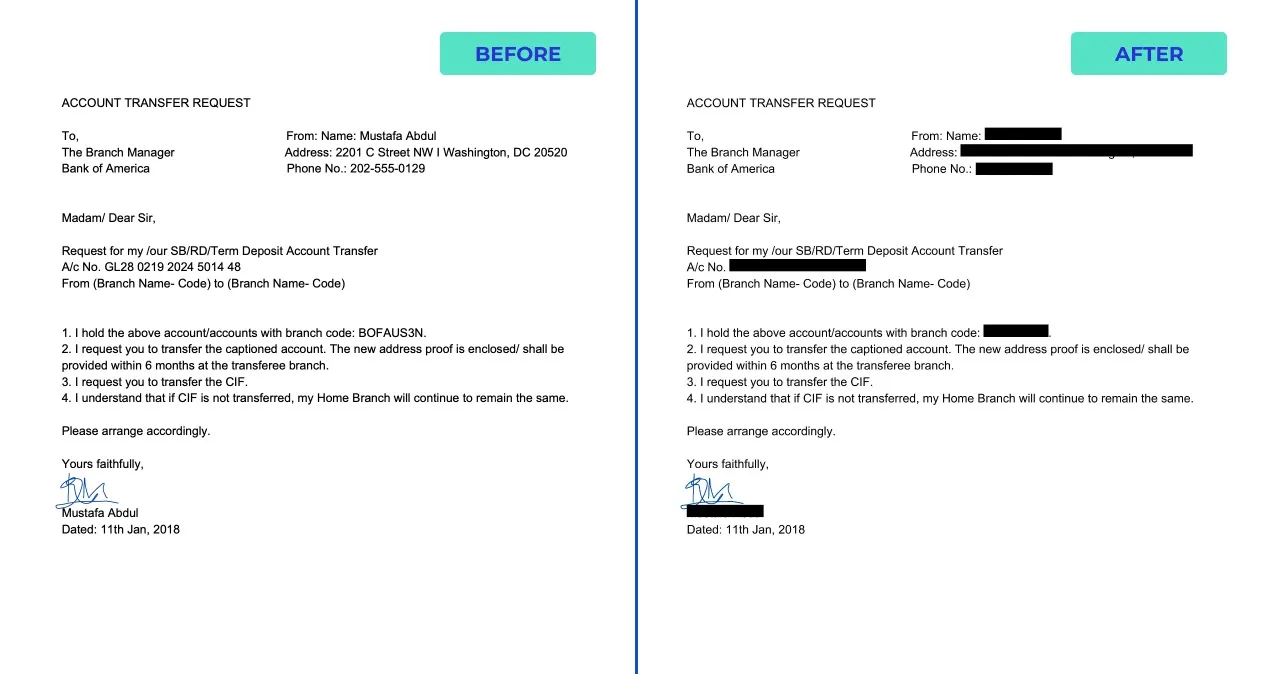
Artificial intelligence has transformed document redaction from a manual, time-consuming process into an automated workflow capable of processing millions of files. But not every AI redaction platform works the same way.
Detection accuracy, deployment architecture, and data privacy determine whether an AI redaction tool truly protects sensitive information or introduces new compliance risks. Here's how modern AI redaction software actually works in 2026.
What Is AI Redaction?
An AI redaction tool is software that automatically discovers, classifies, and redacts personally identifiable information (PII) from documents, images, emails, and databases before they are shared, stored, or processed.
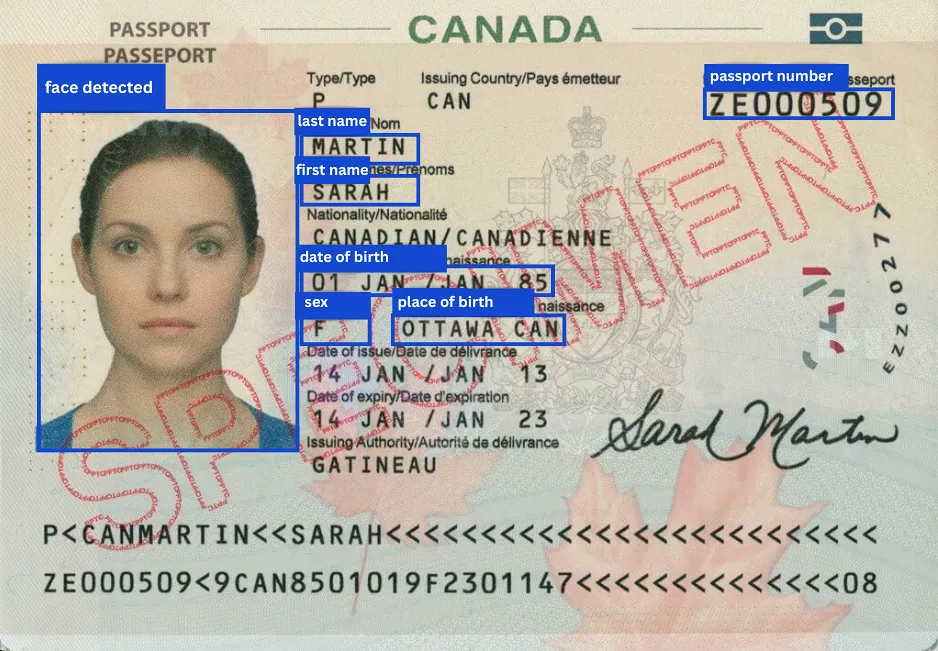
Unlike traditional rule-based tools that only search for predefined regex patterns (such as a standard 9-digit Social Security number), modern AI combines machine learning, optical character recognition (OCR), natural language processing (NLP), and contextual analysis to identify sensitive information even when it doesn't follow a predictable pattern or fixed format.
How AI Document Redaction Works
Most enterprise platforms handle AI document redaction through a four-step process:
- Discover: A PII scanner locates sensitive data across file shares, SharePoint, cloud storage, databases, and local endpoints.
- Detect: The system analyzes both structured and unstructured content using pattern matching, native OCR, machine learning, and contextual analysis. Rather than simply recognizing a nine-digit number, modern AI understands surrounding text to distinguish a Social Security Number from an invoice ID or tracking number, significantly reducing false positives.
- Classify: Detected PII is categorized by sensitivity, regulation (e.g., GDPR, HIPAA), or internal company policy.
- Redact: Sensitive information is automatically redacted, masked, or replaced while preserving the document's structure and readability.
This workflow enables organizations to process millions of files consistently and at scale. However, it's only effective if the AI can first see the sensitive data.
AI Only Protects Visible Data
One of the biggest misconceptions about AI redaction is that detection algorithms alone solve the problem. In reality, AI can only redact what it discovers.
Scanned PDFs, handwritten forms, legacy faxes, and archived image files often contain "dark data" that traditional scanners miss entirely. That's why enterprise AI redaction relies on native OCR to convert image-based text into searchable content before machine learning analyzes it.
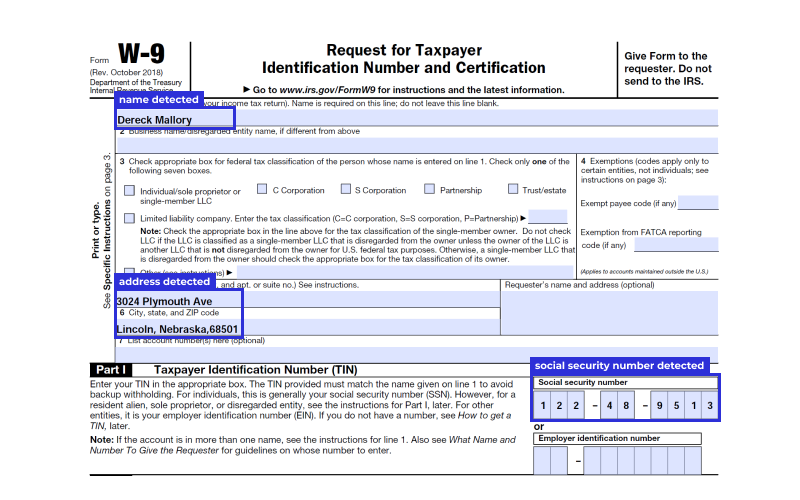
Without OCR and deep content inspection, even the most advanced AI models cannot detect or redact sensitive information hidden inside image-based documents.
Secure AI Redaction Starts with Private Deployment
Many organizations cannot send sensitive files to public AI or SaaS services. Healthcare providers, government agencies, and financial institutions often require their data discovery engines to run entirely inside their own infrastructure.
Platforms such as PII Tools prevent data egress by running entirely within the organization's environment. They support:
- Private Cloud deployments
- On-premises environments
- Hybrid infrastructures
- Fully air-gapped networks
Because scanning and redaction take place entirely within your environment, sensitive data never leaves your infrastructure, ensuring zero data egress by design.
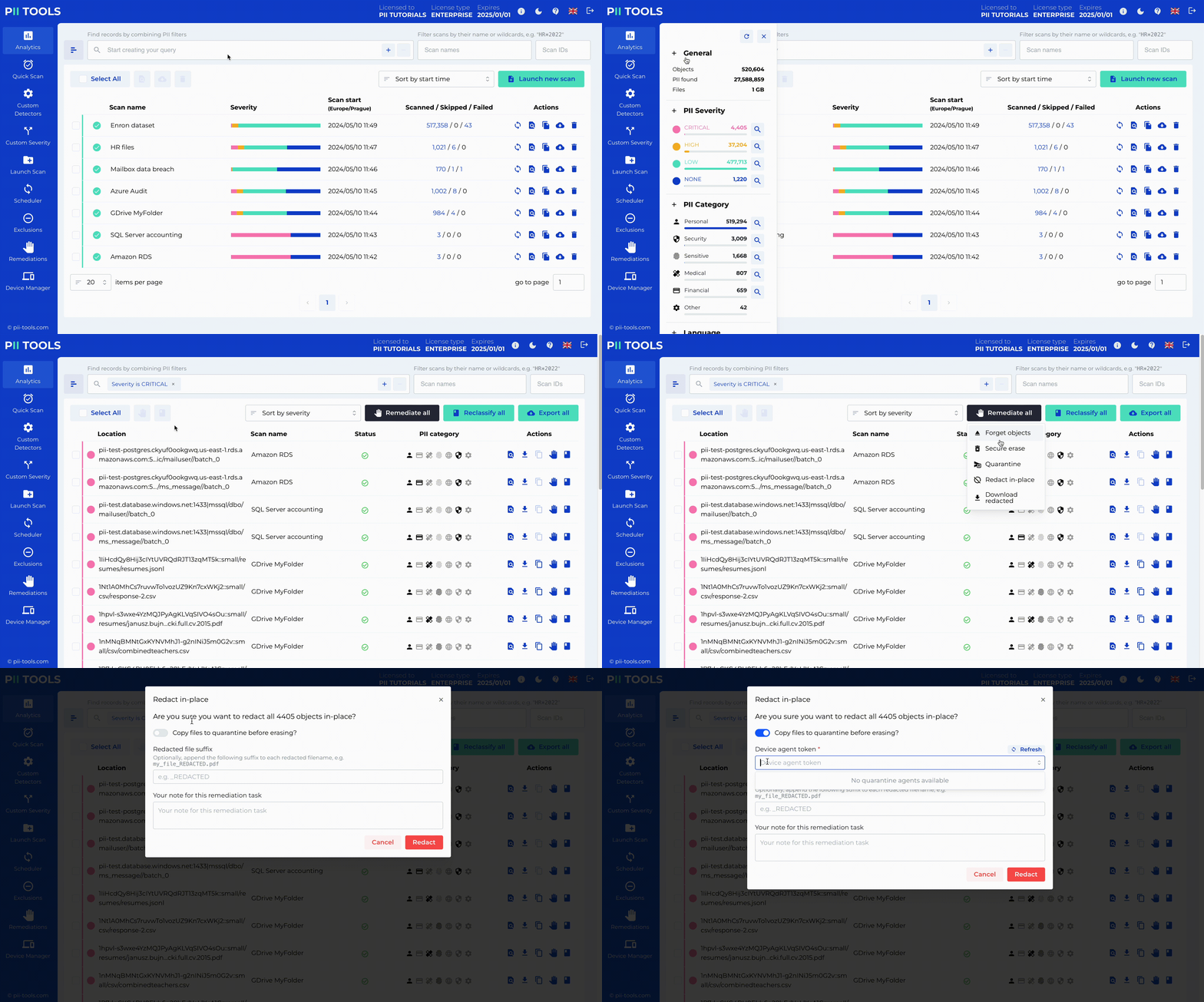
Redaction Is Only Part of the AI Security Strategy
Protecting stored documents is only one part of securing enterprise AI. Organizations also need to ensure that files uploaded into AI-powered applications don't contain sensitive information in the first place.
That's where the PII Tools AI Data Protector comes in. Its real-time scanning API automatically detects and classifies personal and sensitive data in every uploaded file. Once identified, organizations can automatically redact, encrypt, or quarantine sensitive content before it's processed by AI systems, helping maintain compliance without disrupting existing workflows.

Like the rest of the PII Tools platform, the AI Data Protector can be deployed on-premises or in a Private Cloud with zero external API calls, ensuring sensitive data never leaves your environment.
AI Redaction Is More Than Just Compliance
Redacting documents is only one piece of protecting sensitive information in the AI era. Organizations also need visibility into where PII exists, confidence that it can be identified accurately, and controls that prevent sensitive data from reaching AI systems unintentionally.
PII Tools combines enterprise PII discovery, automated redaction, and secure AI workflows to help organizations protect sensitive data without compromising compliance or control.
Get Hands-on with PII Tools for FREE! Click the Button Below! ⤵️
Frequently Asked Questions (FAQ)
- What is AI redaction?
AI redaction is the automated process of detecting and removing or masking personally identifiable information (PII) from documents, images, emails, and databases. Modern AI redaction combines machine learning, OCR, and contextual analysis to identify sensitive information beyond simple pattern matching.
- Can AI accurately redact scanned PDFs and images?
Yes. The best AI redaction tools use native optical character recognition (OCR) to convert scanned and image-based documents into searchable text before analyzing and redacting sensitive information.
- What's the difference between AI redaction and data masking?
AI redaction permanently removes or obscures sensitive information, while data masking replaces it with fictional but structurally similar values. The right approach depends on whether the data will be shared, tested, analyzed, or archived.
- Can AI redaction run in an air-gapped environment?
Yes. Enterprise platforms like PII Tools support Private Cloud, on-premises, hybrid, and fully air-gapped deployments, allowing organizations to perform AI-powered discovery and redaction without data leaving their infrastructure.
- Why is OCR important for AI redaction?
Without OCR, AI cannot analyze text embedded inside scanned PDFs, images, or legacy documents. OCR converts image-based text into machine-readable content, enabling accurate detection and redaction of hidden sensitive information.
- What is PII Tools?
PII Tools is sensitive data discovery software, so you can discover, analyze, and remediate PII across all your digital assets, on premises or on your Private Cloud. Schedule a FREE DEMO and secure your PII for good!