







One Tool for HIPAA, PCI-DSS, CCPA & 20+ State Laws
In Europe, the GDPR created a unified framework for data privacy. In the United States, the opposite is true: a rapidly expanding patchwork of state-level regulations with no federal equivalent. By 2026, over 20 US states will have enacted their own unique privacy laws.
For US firms, this means “compliance” is a moving target. You aren’t just solving for California. You are solving for a dozen different jurisdictions, each with slightly different definitions of PII and varying reporting timelines.
- California (CCPA/CPRA): The strictest baseline and model for other states.
- Virginia (CDPA), Colorado (CPA), & Texas (TDPSA): Core markets with specific consumer rights and business obligations.
- The “Patchwork” States: Connecticut, Oregon, Montana, Indiana, Iowa, Tennessee, and more, each adding a new layer of complexity to your data lifecycle.
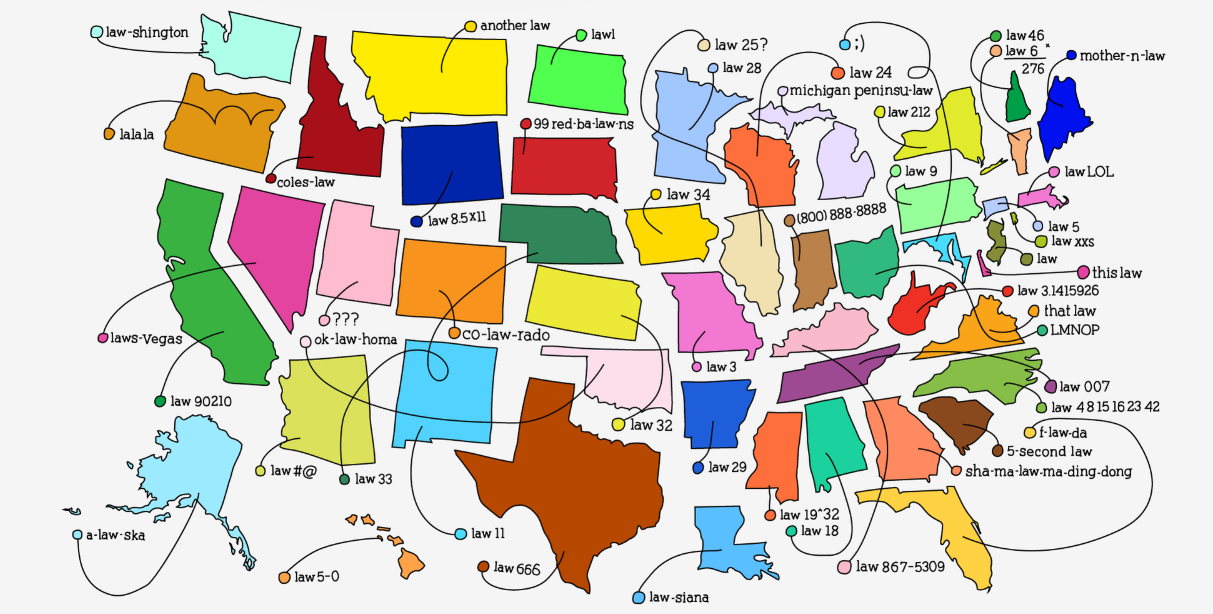
Source: The New York Times
The result? Compliance is no longer about meeting a single standard. It’s about managing a constantly shifting system of overlapping requirements. And that’s exactly where traditional approaches start to break down.
The Challenge of Multi-State Compliance
Most companies don’t fail compliance because they ignore regulations. They fail because they can’t keep up with the complexity of their own data. In a multi-state environment, manual oversight creates a fundamental visibility gap. What qualifies as personal data in California may differ from definitions in Texas or Virginia, making consistent classification across jurisdictions nearly impossible.
This challenge is amplified by where sensitive data actually lives. It’s not neatly stored in databases; it’s buried in “dark data”: shared drives, email archives, unindexed PDFs, and legacy Excel files. These unstructured environments are exactly where traditional audits fall short.
And this isn’t just a technical issue—it’s a measurable financial liability. With the average cost of a US data breach hitting $10.22 million and detection taking an average of 276 days, the longer sensitive data remains undiscovered, the greater the risk.
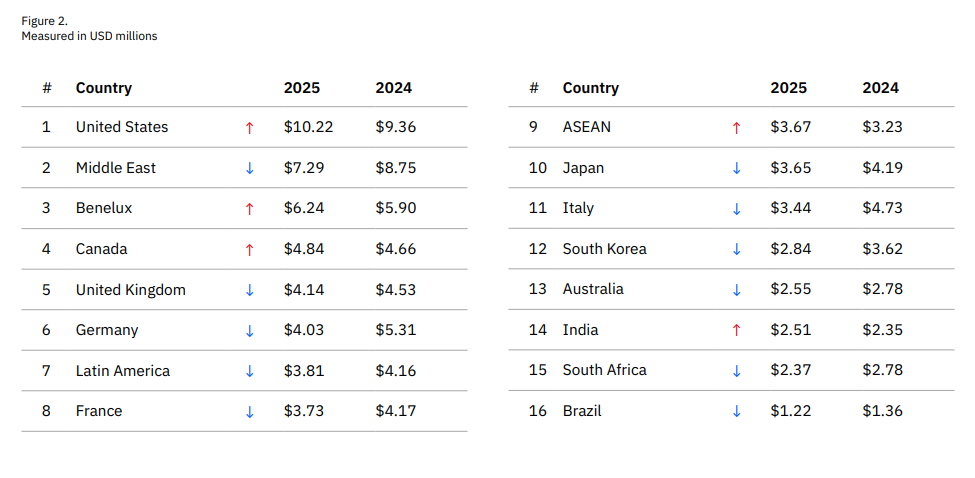
Source: Baker Donelson
As data volumes grow and state regulations expand, while compliance teams stay the same size, spreadsheets and manual reviews simply cannot scale.
To stay defensible in 2026 and beyond, compliance can no longer be treated as a periodic project. It has to become a continuous, automated part of your infrastructure.
The Solution: A Unified Multi-State Discovery Engine
To handle multi-state compliance at scale, leading organizations are shifting away from regulation-by-regulation tools and toward a unified discovery layer.
PII Tools simplifies the complexity of 20+ state laws into a single automated process. It gives you one system to discover, classify, and manage sensitive data across all applicable jurisdictions. With one tool for every regulation, you can:
1. Discover Once, Map to Many
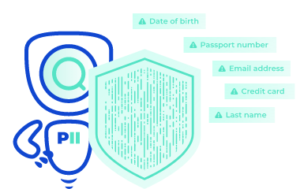
Run a single scan across your environment to identify PII, PHI, and payment data, automatically mapped to the requirements of state laws, HIPAA, and PCI-DSS.
2. Automate HIPAA & PHI Discovery
Scan EHR systems, shared drives, emails, and even scanned documents using OCR to locate protected health information across your entire environment.
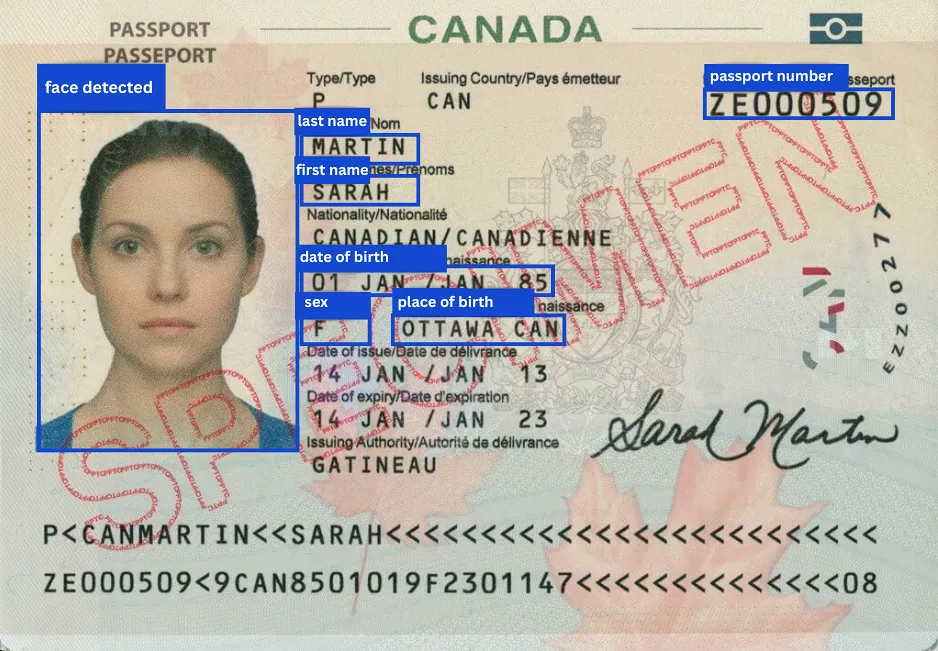
3. Cover PCI-DSS 4.0 Requirements
Identify cardholder data wherever it exists – not just in databases, but in spreadsheets, documents, and email attachments – helping you meet stricter discovery requirements introduced in 2025.
4. Keep Data Fully Under Your Control
For government contractors and regulated sectors, on-prem deployment with zero data egress ensures sensitive data never leaves your environment, meeting CMMC, DFARS, and internal security policies.
By bringing these requirements into a single system, you eliminate the need to manage compliance separately for each regulation. Instead of reacting to new laws, you build a scalable foundation that adapts with them, maintaining a continuous, audit-ready posture across the entire US landscape.
Simplify US Data Compliance
In 2026, compliance should be a background process, not a constant source of friction. By replacing manual oversight with automated governance, you move from being “compliant on paper” to maintaining continuous, audit-ready visibility across your entire environment.
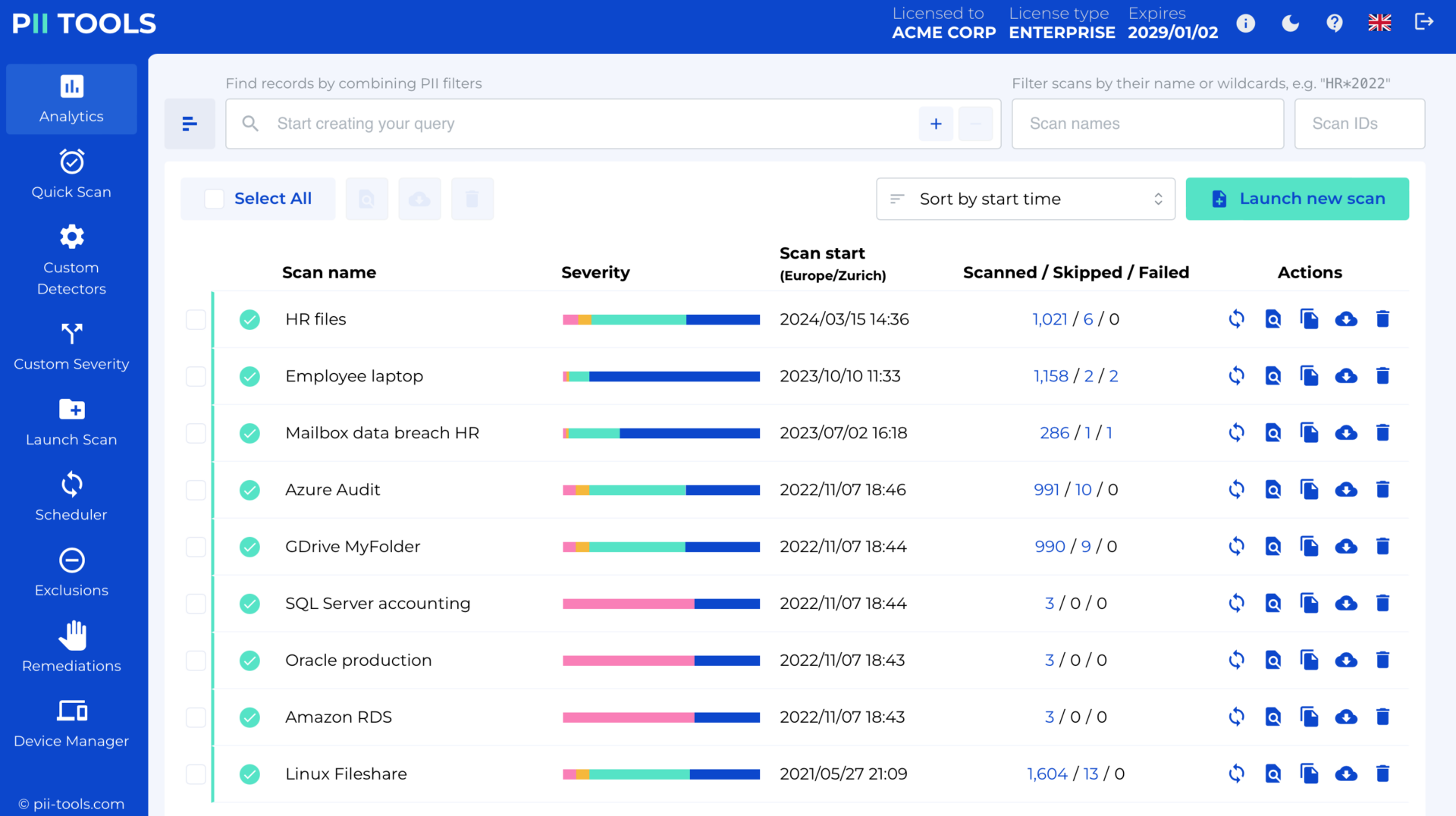
This shift doesn’t just reduce risk. It saves time, simplifies audits, and gives your team control over previously invisible data.
And you don’t have to take our word for it – see how companies like the New York City Ballet and the international shipping OS Sedna benefit from PII Tools daily.
Stop chasing compliance – Start Controlling Your Data Across All US States!