







For years, HIPAA compliance was straightforward: protect the Electronic Health Record (EHR) system, and you protect the organization. In 2026 and beyond, that approach no longer works.
The real risk has shifted to the messy, unstructured “Dark Data” surrounding the EHR. Protected Health Information (PHI) now leaks into email attachments, billing exports, shared drives, and increasingly, AI workflows.
In the US market, HIPAA enforcement has significantly intensified. The average penalty for a single violation now reaches hundreds of thousands of dollars, with major breaches hitting tens of millions.
Source: Programs
The (In)visibility Gap
Most healthcare organizations aren’t struggling with securing their primary databases. They’re struggling with finding the data that has escaped them. The three main issues are:
- The Scale Problem: US healthcare environments are naturally fragmented. Mergers and legacy systems create disconnected repositories where years of PHI quietly accumulate.
- Unstructured Leaks: A physician downloads a report locally for a meeting; a billing department saves insurance scans to a shared drive. These actions create “Dark Data” that traditional audits miss.
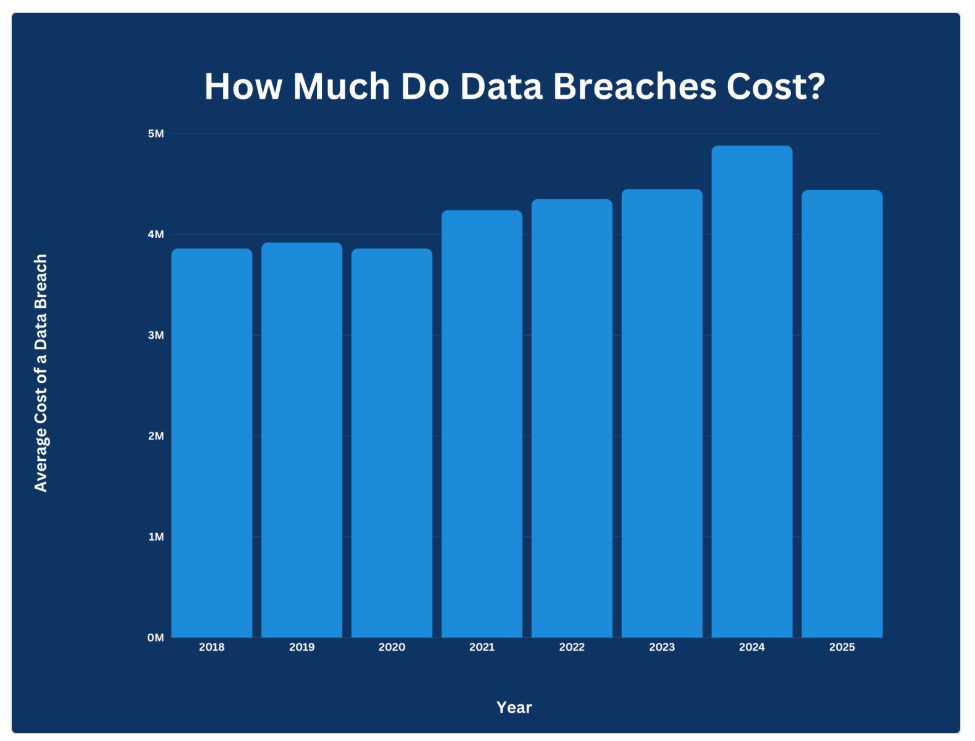
- The ROI of Discovery: With the average cost of a US data breach hitting $10.22 million and detection taking an average of 276 days, the “wait and see” approach is no longer a viable business strategy.
This visibility gap becomes especially dangerous when PHI is hidden in files that traditional discovery tools cannot inspect properly. In a modern medical environment, a significant portion of your risk is locked inside images and scans that require more advanced inspection methods.
At-Risk Data in Images
One of the most overlooked HIPAA vulnerabilities in 2026 is the sheer volume of PHI that exists solely in image format.

In a typical US healthcare environment, a massive portion of sensitive data is locked away in scanned intake forms, insurance paperwork, radiology documentation, handwritten notes, and archived PDFs. Because these files are essentially “pictures” of data rather than text, traditional discovery tools are functionally blind to them.
As a result, large portions of healthcare data remain effectively invisible to governance and discovery workflows. This creates a major blind spot during compliance audits, incident investigations, and AI preparation projects.
To bridge this gap, organizations increasingly rely on advanced Optical Character Recognition (OCR) to extract and classify PHI from everything from MRI scans to unindexed PDFs across hundreds of different file formats.
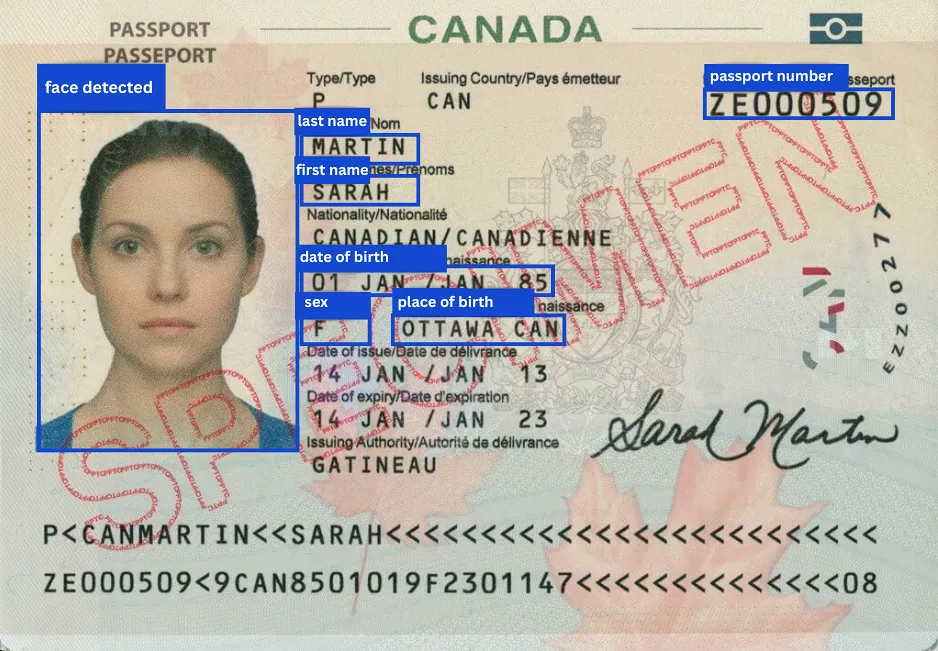
By turning these “pictures” into searchable data, healthcare providers gain visibility into sensitive information that would otherwise remain hidden in forgotten folders and legacy archives.
However, bringing this invisible data to light is only half the battle. In a sector as highly regulated as healthcare, the security of the discovery process is just as critical as the data it uncovers.
The Privacy Paradox – When Discovery Becomes a Risk
Finding hidden PHI is only half the challenge. In healthcare environments, the discovery process itself can introduce new security and compliance risks.
Most modern discovery platforms are cloud-native, meaning sensitive files must leave the organization’s secure perimeter to be processed in a vendor-controlled cloud environment.
In a sector where data sovereignty and strict access control are fundamental compliance requirements, this approach creates an uncomfortable tradeoff: you expose sensitive data in order to secure it.
To maintain a truly defensible position, discovery needs to happen where the data already lives. This is why many US healthcare providers are shifting toward on-premise deployment with zero data egress.
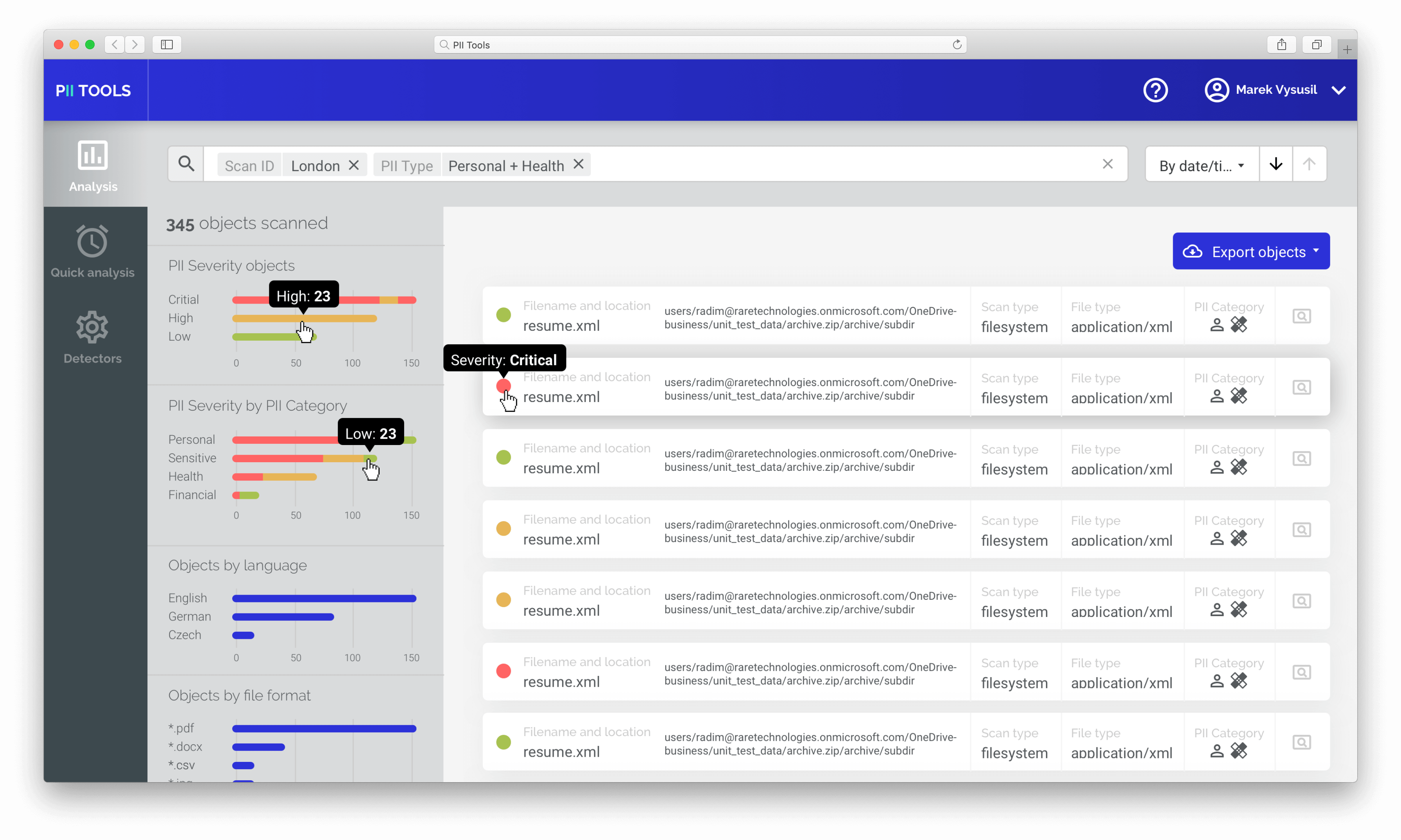
By keeping the scanning engine behind your own firewall, organizations can inspect previously invisible images, PDFs, and legacy repositories without transferring sensitive patient data outside their controlled environment.
This approach does more than support HIPAA compliance. It also aligns with stricter security requirements found in frameworks like CMMC and DFARS for organizations handling government-related health data.
By securing the discovery process itself, you transform compliance from a reactive, high-risk project into a continuous, automated part of your infrastructure.
The Shift to Continuous Governance
The most mature healthcare organizations are moving away from reactive compliance. Instead of manually hunting for sensitive data during high-stress audits, they’re building continuous discovery workflows that provide ongoing visibility into where PHI exists.
This objective is not simply “passing HIPAA”; it’s about reducing the uncertainty that makes breach investigations slower and incident response significantly more expensive.

In 2026 and beyond, compliance should be a background process, not a constant source of friction. By replacing manual oversight with automated governance, you move from being “compliant on paper” to maintaining a state of permanent audit-readiness.
This shift not only reduces risk but also saves time, simplifies audits, and gives your team control over data that was previously invisible.
Stop Managing a Patchwork of Risks. Start Managing Your Data with 1 Unified System.